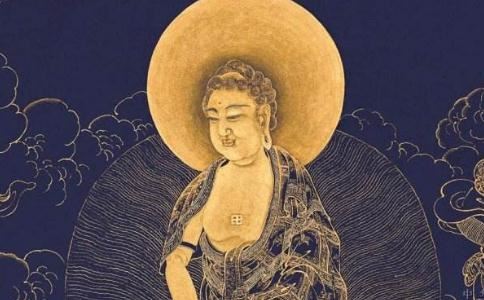
隆波田禅师:请跟我来 Come This Way

Part 2: Walking The Path 第2篇:行道
2-3. Stages of Practice 修学阶段
2-3-2. Come This Way 请跟我来
The praying and making offerings to the gods of Miss. Sujata, make us realize that this was already done before Buddhism arose. This means that just wishing for something wont have results, if one doesnt start to do something about it. Results come from actions. So dont be lazy ; determine to train and practice yourself, by developing awareness continuously. It says in the commentaries, in the books, about awareness, that there are 2 things that are of great assistance, namely : 1. Sati - recollection, and 2. Sampajanya - awareness. Some people understand it half, some people understand it fully. The words of great assistance mean to have great value but it is not reckoned in terms of money : 100, 1.000 or 10.000 baht, its not like that. What it means is that whoever develops awareness highly, by being aware of the movements of both the body and the mind, receives lots of results and plenty of fruit in not having to experience suffering.
从苏佳塔女士供养天神祈福这一件事,我们可以了解:这在佛教出现前就已经有了。这意味着如果只是一味祈求某些东西,而不针对祈求之事物去采取行动,那是不会有结果的。有行动才会有结果,所以不要怠惰,你要下决心持续努力培养觉性来修炼自己。经典及注释书中都提及觉性,并说:有两种极有帮助的东西,亦即1. 正念(Sati, 忆念);和2. 正知(Sampajanya, 觉性)。有些人对此一知半解,有些人则能完全了解。所谓极有帮助是指有很大的价值,但是!那不是用金钱来衡量的,不能用一百、一千或一万铢来算,不是那样的。它的意思是:任何人只要能持续觉知身与心的动转,努力地培养觉性,那么他不需历经艰难,便能得到许多成果。
After prince Sidhartha had returned to eating normally, and the rice that Miss. Sujata had offered was all finished, he took the tray to the bank of the river and made a resolution, as Ive told you before. Next, he went back to sit under the Bodhi-tree to work with the mind, - thats what it says in the books. We just believe the scriptures, without understanding the method to work with the mind that the Buddha used, and so doubt arises : how did He do it ?! Because we dont know, we go and recite Bud-dho, Samma Arahant, rising-falling or we count 1-2-3 or watch the breath, depending on our preference. And then we call it developing awareness or working with the mind. But developing awareness is not connected with having the eyes closed.
在悉达多太子恢复正常饮食,并享用过苏佳塔所供养的饭食之后,他拿着盘子到河边并下定决心,如同我以前所告诉你们的那样。接下来,他回去坐在菩提树下修治自心,这是经典告诉我们的佛陀的修行方法。但我们只是信仰经典,而没有真正了解为经典所说佛陀用来修治自心的方法,因此心里仍就生起疑问:他是怎么修的?!也正因为我们没有明了,所以我们才会依个人喜好修学:念佛-陀、正阿罗汉、起-落,或数1-2-3,或观入出息,并且还声称那是在培养觉性或修治自心。但是,培养觉性与闭眼睛是没有关连的。
After the prince was Enlightened, and had extinguished the fire of suffering, being the fully Enlightened Buddha, He directed his inner eye to his former teachers : the ascetics Alara and Uddaka. He exclaimed : Theyve died already. The words died already might refer to people who have so much knowledge that they are not willing to listen to anybody else.
在太子觉悟并熄灭了苦恼焰火,而成为圆满证悟的佛陀之后,他用内在心眼观看以前的两位老师苦行者阿拉罗和乌达喀尔。他呼喊着:他们已经死了。所谓已经死了是指:那些脑子里装了一大堆知识而听不进去别人说话的人。
There is an old saying : Learning a lot makes for problems, learning little is a hassle. It means, having studied a lot, one wont listen to anybody and one doesnt know the truth, and when studying only a little, one knows only little and so doubts all the time, never sure of a single thing.
有句古话说:多学增碍,少学多诤。意思就是说:一个人学得太多,就不会听别人的,也因此不能悟知真理;而学得太少,知道的也就很少,所以处处生疑,没有一件事能笃定。
Not having the opportunity to save His former teachers, He set out to travel and meet the 5 ascetics. While walking, He met an ordained man by the name of Upakajivaka, someone searching for Dhamma, searching for liberation, searching for the Awakened one. On meeting the Buddha and seeing His inspiring demeanor, he asked : Whos disciple are you and which place do you stay at ?. The Buddha answered directly : Im not anyones disciple and I dont stay at any place, I know, see and understand by Myself. Its called being self enlightened.
由于没有机会救度他以前的老师,于是佛陀出发前往会遇五位苦行比丘。半路上,他碰到一位名叫乌帕卡吉瓦卡(Upakajivaka)的出家人,他正在探究正法、找寻解脱、追求觉悟。乌帕卡遇见佛陀并看到他令人赞叹的气度,于是便问:「你是谁的弟子?你住在哪里?」佛陀便回答:「我不是任何人的弟子,也不住在任何地方,我独自修行而知道、看见与了解。」这就是所谓的自悟自证。
This story is interesting : we want to know the Truth, but when we hear the Truth we dont believe it ! Upakajivaka was like that. When he heard the Buddhas answer, he didnt believe it, he made faces to the Buddha and went on his way. This teaches us not to listen through views and opinions, but to listen with determination and to try it out with practice.
这个故事很有趣,我们都想了悟真理,但当我们听到真理时,自己却不相信!乌帕卡吉瓦卡就是那样,他听到佛陀的回答却不相信,他向佛陀扮个鬼脸,然后就继续上路。这故事教导我们:不要用自己的观念和想法来听别人说话,而要决心好好听受,并且透过修习予以检证。
Ive read in the texts : Whoever develops the 4 foundations of awareness, as continuous as the links in a chain, the longest for 7 years, medium for 7 months and shortest from 1 up to 15 days, can expect one of 2 results, namely 1. to be an Arahant or 2. to be an Anagami, in this life-time.
我曾在经典看到一段经文:「任何人只要能培养基本的四种觉知,使它持续如炼,最长七年,中等的七个月,最短只要1到15天,他就在今生便可得到二种果位之一,亦即:1. 得阿罗汉果;或2. 得阿那含果。
There are people who have done it for 9, 10, 14, 15 or 20 years but dont understand. Doing it for 7 years and not knowing and seeing indicates that one is not doing it properly. As for the teacher who taught me, he said he had done it for many years and he did know, but he would still get angry. Anger is a defilement......
但有些人修了9、10、14、15、20年,却还是不了解,如果你修了7年还不能知道、看见,就表示你没有正确地修学。就拿教导我的老师来说,他说他已经练了很多年而且确实已了悟,但是他还会生气,生气就是烦恼呀
Coming back to the 5 ascetics, at first they didnt believe the Buddha, so the Buddha told them to listen well. Have you ever heard Me talking like this before ?. The 5 ascetics said : No. One of them, Anyakondanya opened his eye that sees and knows the Dhamma, on hearing the teaching. As for the other 4, they didnt get it yet. The Buddha compared the transmission of the Dhamma with 4 kinds of lotuses : Enlightenment is like a flower receiving sunlight ; a fully grown flower is like someone with little dust in the eyes ; when the sun shines, the flower is touched by the warmth and opens up. Thats why I said, in listening to Dhamma, determine to listen and practice accordingly, listen and watch your mind at the same time.
回到五位苦行比丘来,起先他们不相信佛陀,所以佛陀便劝勉他们好好地听,佛陀说:「你们以前曾听过我这样说吗?」五比丘说:「没有!」但他们其中一位阿那康丹那(Anyakondanya, 阿若憍陈那),一听当下就开法眼,并且见法悟法,而其他四位则尚未了悟。佛陀用四种莲花来比喻传法的情形:「言下开悟的就像受阳光正照的花朵;眼中只有少许微尘的人就像含苞待放的花朵,只要太阳再那么一照,它就会受到暖触而绽放。」这就是为什么我说:听法时,要决心听受并依法修习,要听的当下同时观照你的心。